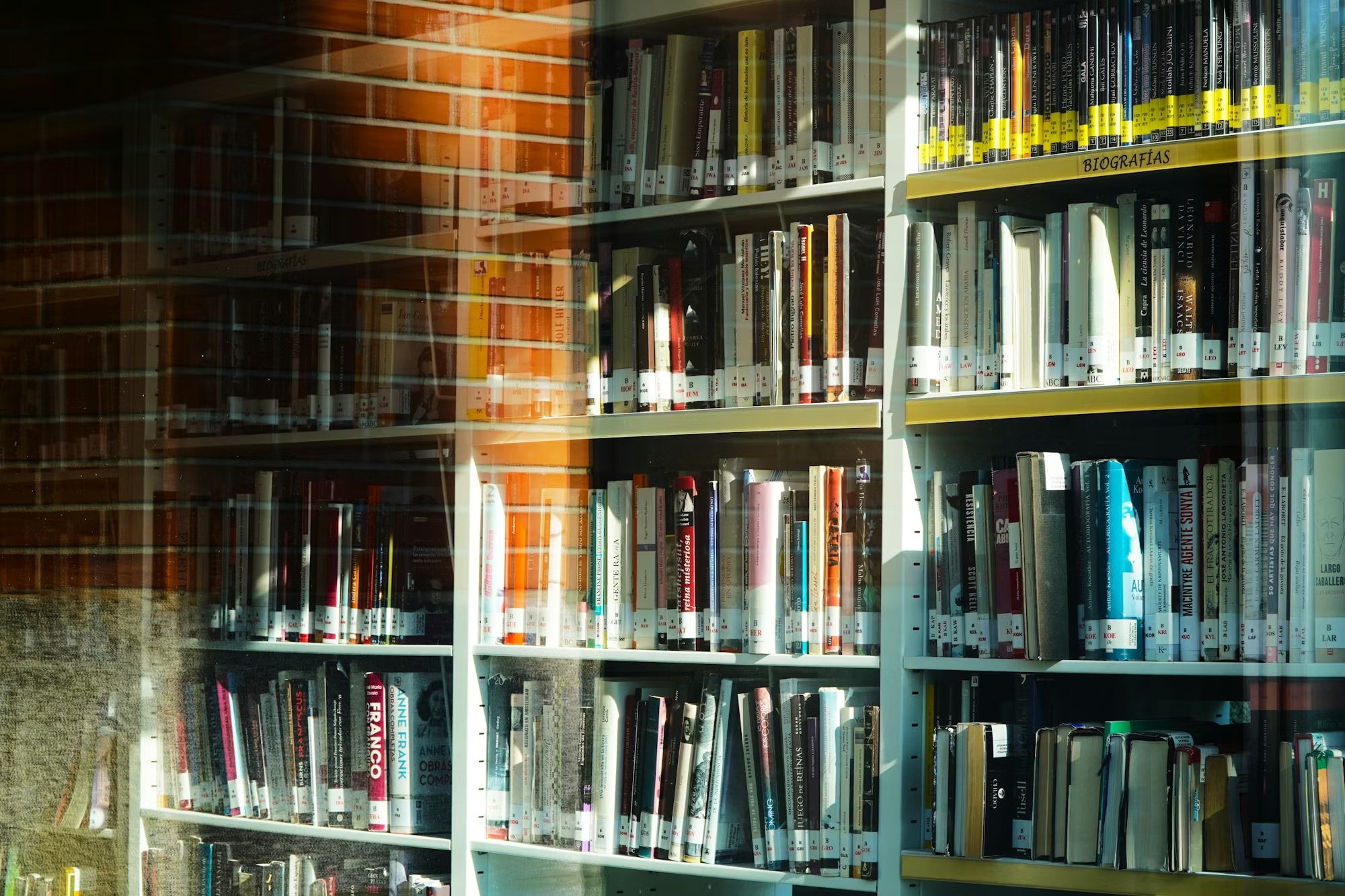
Libraries have long been recognized as vital institutions that facilitate education, access to information, and community engagement. As we delve into the transformative power of libraries, we find that they serve not just as repositories of knowledge, but as dynamic spaces that promote lifelong learning across all demographics. This article will explore how public libraries, academic libraries, school libraries, special libraries, digital libraries, national libraries, archives, mobile libraries, reference libraries, and subscription libraries each contribute to this essential mission. Public libraries are often the heart of a community, offering a welcoming environment for individuals of all ages. They provide access to a diverse array of resources, including books, multimedia materials, and a range of services tailored to meet the needs of the community. Programs such as workshops, reading clubs, and cultural events are frequently organized, creating opportunities for social interaction and shared learning experiences. By fostering a sense of belonging, public libraries encourage individuals to explore new ideas and enhance their personal and professional skills. These institutions often collaborate with local organizations and educational institutions to offer programs that address community needs, from literacy initiatives to career development workshops. In this way, public libraries serve as a vital resource for lifelong learners. Academic libraries play an equally important role in fostering a culture of learning, particularly in higher education settings. These libraries provide specialized resources, including access to research databases, academic journals, and archives that are essential for scholarly pursuits. The environment within academic libraries encourages critical thinking and intellectual engagement, supporting students and faculty alike in their quest for knowledge. Librarians in academic settings are trained to assist users in navigating complex information landscapes, empowering students to develop strong research skills that will benefit them throughout their lives. Additionally, academic libraries are increasingly adopting digital tools to enhance accessibility, making it easier for users to access information anytime, anywhere. School libraries are crucial in shaping young minds and fostering a love for reading from an early age. They serve as safe spaces where students can explore literature and engage with educational resources that align with their curriculum. School librarians often collaborate with teachers to create programs that support classroom learning, such as author visits, reading challenges, and interactive workshops. By encouraging curiosity and creativity, school libraries play a significant role in cultivating lifelong learners who appreciate the value of knowledge and exploration. Special libraries, focusing on specific fields or industries, offer tailored resources and support for professionals and researchers. Examples include law libraries, medical libraries, and corporate libraries, each designed to meet the unique information needs of their users. These libraries not only provide access to specialized resources but also serve as centers for professional development, offering workshops and networking opportunities that enhance career growth. By catering to niche interests, special libraries contribute to the continuous education of individuals within their fields, ensuring they stay informed about the latest developments and best practices. The rise of digital libraries marks a significant evolution in how we access information. These libraries primarily offer digital resources such as e-books, online databases, and digital archives, making it easier for individuals to access information remotely. This shift has transformed the landscape of learning, providing unprecedented opportunities for self-directed study and exploration. Digital libraries often feature interactive tools and multimedia content, catering to diverse learning preferences and encouraging engagement with materials in innovative ways. As technology continues to advance, digital libraries are likely to play an increasingly prominent role in supporting lifelong learning. National libraries serve as custodians of a nation’s cultural and historical heritage, preserving important documents and literature for future generations. Institutions such as the National Library of Australia and the British Library not only collect and archive materials but also promote research and scholarship. By providing access to rare books and historical documents, national libraries offer valuable resources for researchers and history enthusiasts alike. Through exhibitions and educational programs, these libraries engage the public, fostering a deeper understanding of a nation’s identity and heritage. Archives and manuscript libraries focus on preserving original documents, manuscripts, and rare texts, which are invaluable for researchers seeking to explore the past. These libraries often provide guided access to their collections, allowing individuals to delve into primary sources that illuminate historical events and cultural developments. By making these unique resources available, archives and manuscript libraries enhance our understanding of history and support scholarly research. Mobile libraries, often known as bookmobiles, extend the reach of library services to underserved communities. These traveling libraries bring books and educational materials directly to individuals in remote or disadvantaged areas, promoting literacy and learning opportunities for all. Mobile libraries often host community events, storytime sessions, and reading programs, helping to bridge the gap between library resources and those who may have difficulty accessing them. By fostering a love for reading and learning, mobile libraries play a crucial role in encouraging lifelong learning in diverse populations. Reference libraries, specializing in providing access to quick information, are indispensable resources for students, researchers, and lifelong learners. These libraries offer materials such as encyclopedias, dictionaries, and other reference works, enabling users to find accurate information swiftly. Skilled librarians assist patrons in navigating these resources, providing guidance that enhances research skills and promotes effective information retrieval. Reference libraries also often host workshops that teach individuals how to utilize reference materials effectively, empowering them to become more independent learners. Subscription libraries, which operate on a membership basis, provide personalized access to a curated selection of resources. These libraries may cater to specific interests, offering specialized collections that align with the needs of their members. Subscription libraries often create a unique and tailored experience, fostering a sense of community among members and providing exclusive events and programs that encourage engagement with literature and learning. As we explore the diverse types of libraries, it becomes clear that they play an essential role in promoting lifelong learning and personal development. Each library type contributes uniquely to this mission, offering resources, support, and opportunities for exploration and engagement. Libraries not only provide access to information; they also create spaces that foster curiosity, critical thinking, and community connections. In an era where the pace of change is rapid, the importance of libraries as centers of learning and growth remains unwavering. They serve as gateways to knowledge, empowering individuals to pursue their passions and expand their horizons throughout their lives. As we continue to embrace the transformative power of libraries, we can ensure that they remain vital institutions that enrich our communities and support lifelong learning for generations to come.
Exploring the Transformative Power of Libraries in Lifelong Learning
Categories:
Related Post
Embracing Diversity in Education: A Pathway to Inclusive LearningEmbracing Diversity in Education: A Pathway to Inclusive Learning
This article examines the importance of embracing diversity in educational settings and provides str

Desks for Modern Classrooms: Innovation Meets Functionality in Today’s Learning SpacesDesks for Modern Classrooms: Innovation Meets Functionality in Today’s Learning Spaces
This article explores the latest innovations in desk design for modern classrooms, focusing on how d

Desks for Different Age Groups: Tailoring Furniture for Every Stage of EducationDesks for Different Age Groups: Tailoring Furniture for Every Stage of Education
This article examines how desk designs are tailored for different age groups, from preschoolers to c